01
Concept development
Shape the guest promise, positioning and operating model before expensive decisions harden.
- Market fit
- Concept narrative
- Guest journey
Practical strategy for independent operators in Vero Beach, Fort Pierce, Port St. Lucie, Jensen Beach, Stuart and the communities in between—from the first menu sketch to a stronger service every night.
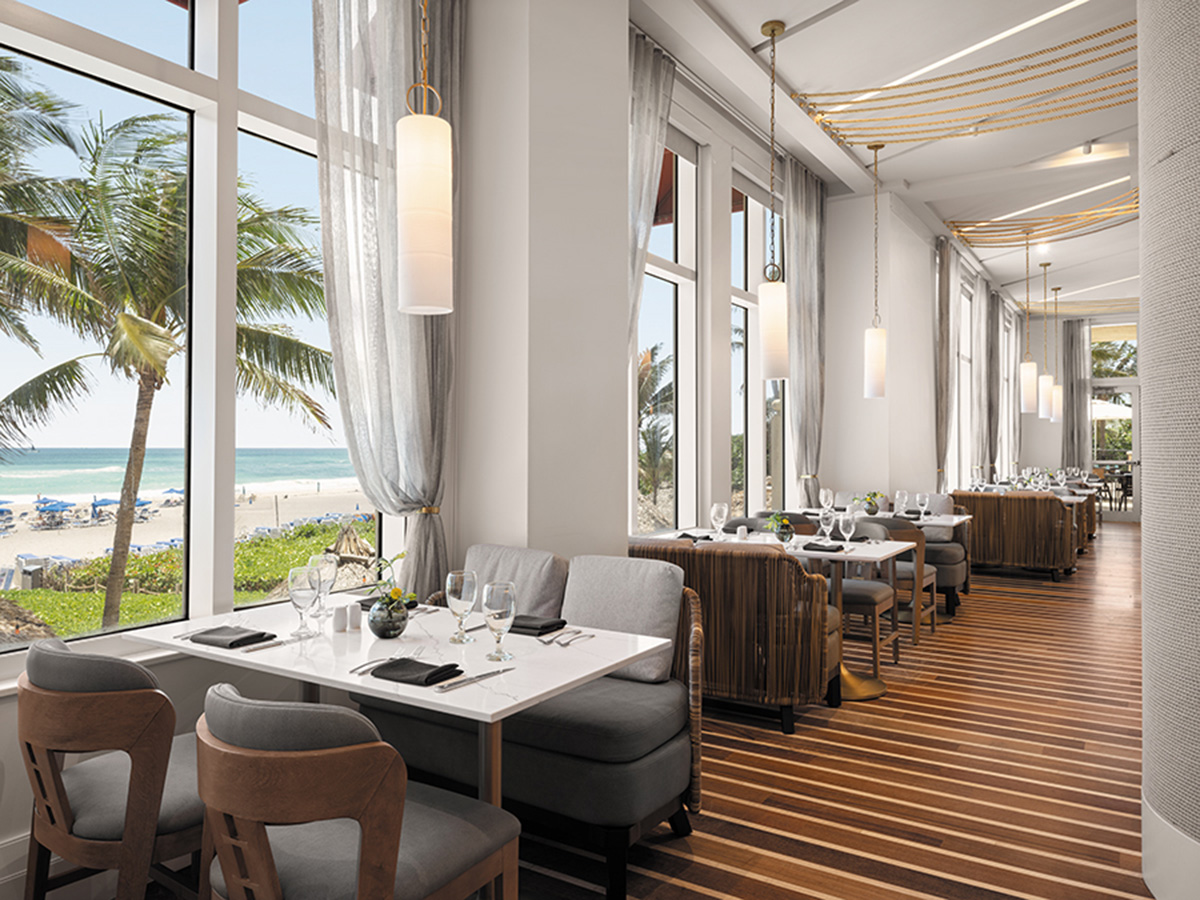
Focused advisory for independent restaurants, hospitality groups and emerging concepts. Each engagement connects creative ambition with the systems required to sustain it.
Restaurant decisions here move with seasonality, neighborhood loyalty and a guest mix that can change from one part of the coast to the next. The work starts with the market outside your door—not a national template.
Align staffing, purchasing and promotions with changing traffic instead of reacting after margins move.
Build a concept and service model that gives nearby guests a reason to return beyond peak season.
Shape menus, pricing and positioning around the guests you actually serve—from waterfront destinations to everyday neighborhood dining.
A Treasure Coast restaurant is a creative business with unforgiving economics and its own local rhythm. Our work brings the dining room, kitchen and P&L into one conversation—so the strategy can survive a Saturday night in season and stay disciplined through the quieter months.
Connect the numbers to the guest experience and the realities of execution.
Focus the team on a short list of changes with measurable operating value.
Install practical rhythms, tools and ownership—not dependency.
Anyone can list services. This is the part that decides whether an engagement actually works: how I see restaurants, teams, and the numbers. If these ring true, we will work well together.
Empty weeknights aren’t fixed with ads. They’re fixed by giving locals a reason to come back midweek — and a system that remembers them when they do.
A bloated menu bleeds money three ways: waste, labor, and inconsistency. Fewer dishes, done better, wins almost every time.
Training isn’t a pep talk. It’s stations, checklists, and standards that hold up at 7:30 on a Friday night.
The restaurants that last engineer the second visit before the first one ends — and then they measure it.
On the Treasure Coast, snowbird season doesn’t create problems — it reveals the ones ignored all summer. Prepare in August, or pay in January.
No generic binder. The work begins with observation, moves through financial and operational diagnosis, and ends with specific actions your team can own.
Listen to ownership, observe service and understand the business behind the symptoms.
Read the menu, labor, purchasing, systems and guest experience as one operating picture.
Build a prioritized roadmap with practical standards, owners and decision points.
Work alongside the team, measure progress and adapt until the new rhythm holds.
Test a monthly scenario to estimate prime cost and operating margin. Change any input and the picture updates instantly.
Starts with a generic example. Replace it with your own monthly figures.
This model leaves room for profit, but small changes to cost of goods or labor can still move the result quickly.
Directional estimate only. It does not include debt service, taxes, depreciation or owner-specific adjustments.
Verified client testimonials can be published here with the restaurant’s permission. Until then, the work and the numbers should speak first.
Every recommendation should make the restaurant easier to run, better to visit or stronger on the P&L.
That is the standard behind each engagement.
Short, practical observations from real restaurants — seasonality, staffing, menus, margins. Written between services, not from behind a desk.
Staffing, pars, and the three systems to stress-test before your traffic doubles — because January will test them for you.
Read the note →Midweek regulars are manufactured with intent: one reason, one ritual, and one system that notices when they don’t show.
Read the note →A handful of dishes usually carry the whole P&L. Here’s how to find them — and what to do about the ones that don’t.
Read the note →Bring the challenge that keeps returning: the menu that is not earning, the team without a system, the opening without enough runway, or the Treasure Coast concept ready for its next chapter.